Aug. 24, 2026
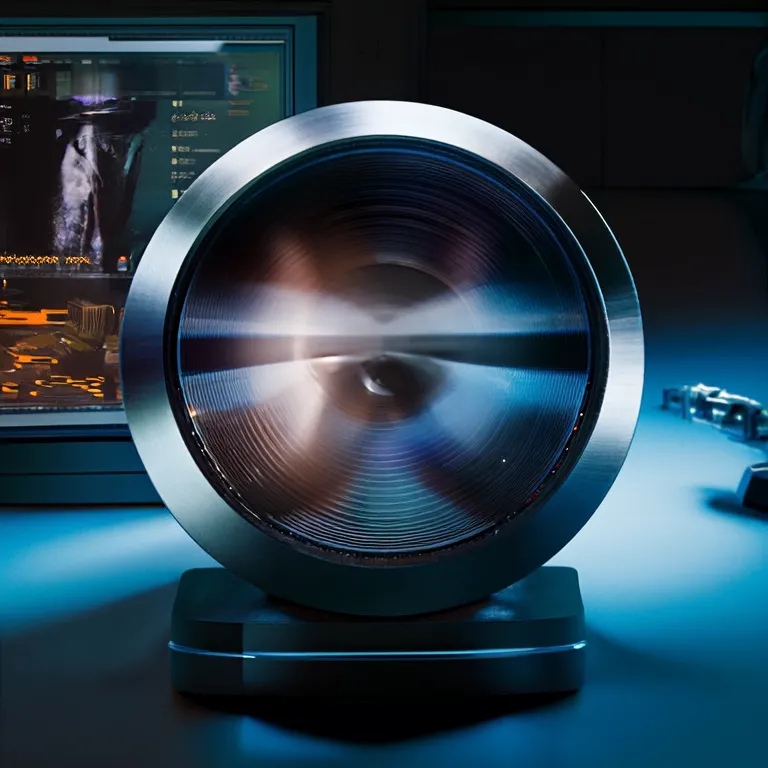
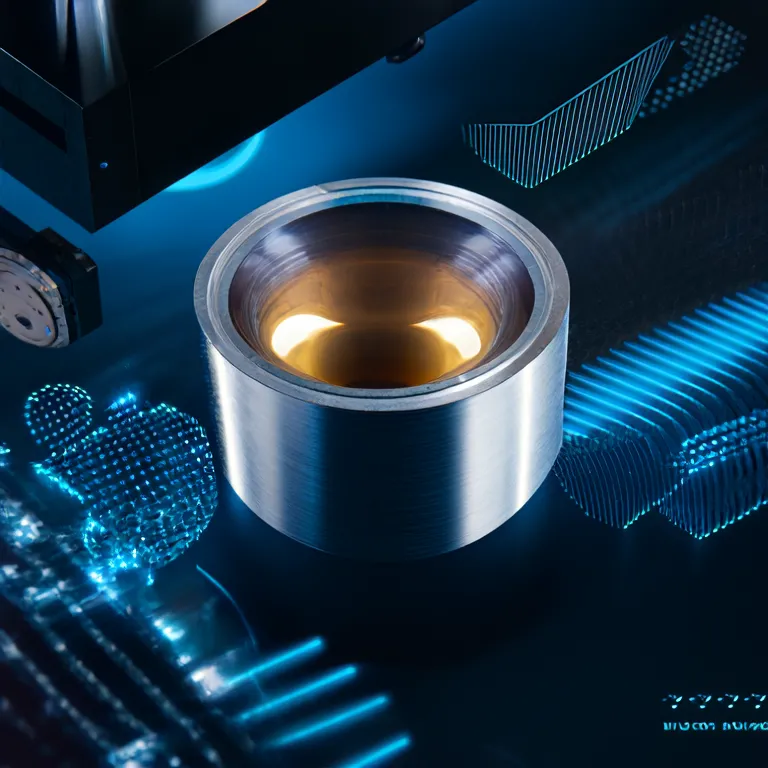
Aspheric lenses are designed with a non-spherical shape that allows for improved optical performance by reducing spherical aberrations. This design helps in focusing light more efficiently, making them ideal for various applications, including thermal imaging.
Spherical lenses have a consistent curvature across their surface. While they are simpler to manufacture and offer good optical quality, they tend to suffer from spherical aberrations at certain angles, which can be a limitation in high-precision applications like thermal imaging.
| Parameter | Aspheric Lenses | Spherical Lenses |
|---|---|---|
| Material Types | Specialized optical glass or polymers | Standard optical glass |
| Focal Length | Varies more flexibly | Standardized lengths |
| Optical Coefficient | Higher performance | More variations |
| Field of View | Wider options | Narrower range |
| Weight and Size | Can be more compact | Generally bulkier |
When using thermal imaging cameras equipped with these lenses, battery life and stability in harsh conditions are essential. Aspheric lenses generally offer improved light transmission, potentially enhancing battery longevity compared to spherical lenses.
Aspheric lenses often maintain performance stability across various temperatures and lighting conditions, making them suitable for outdoor and industrial applications that demand reliability.
Aspheric lenses are ideal for professionals requiring high precision, such as researchers in thermal applications, camera manufacturers focusing on advanced imaging technology, and users in aerospace industries.
Casual users, hobbyists, or those with budget constraints may prefer spherical lenses for less critical applications where budget efficiency is prioritized over optical quality.
In conclusion, the choice between aspheric and spherical lenses for thermal imaging largely depends on the specific application requirements and budget considerations. The MWIR Lens for Cooled Camera plays a crucial role in enhancing thermal imaging performance. For further assistance and quality lens products, consider contacting IRLENS.
Latest News
Hot-Sale Product