Jan. 01, 2026
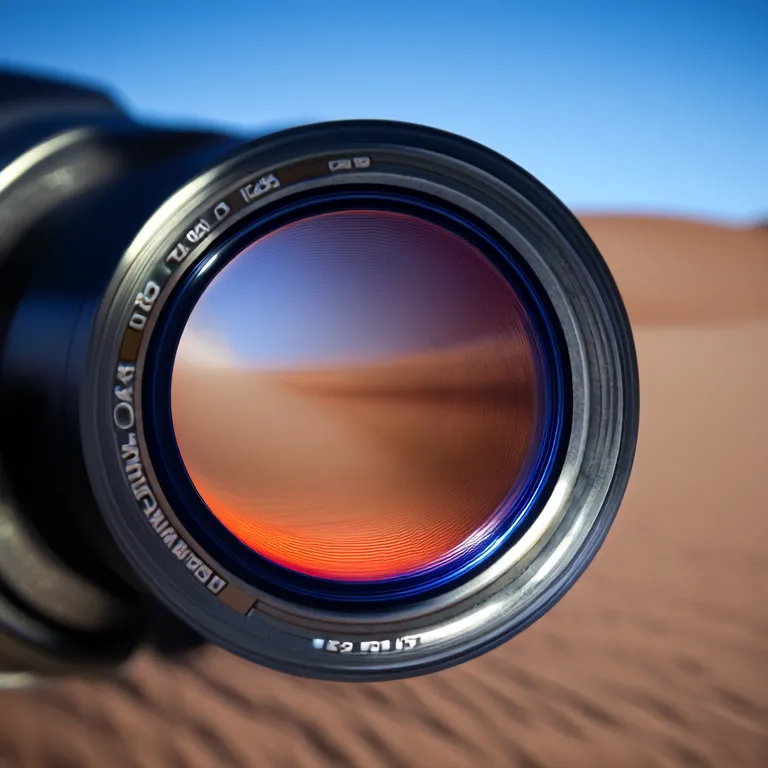
The MWIR (Mid-Wave Infrared) lens is a critical component for cooled infrared camera systems used in a variety of applications, such as surveillance, search and rescue, and military operations. Understanding its performance in extreme conditions, specifically desert environments, presents unique challenges. This article explores how MWIR lenses perform when exposed to high temperatures, sand, and harsh sunlight.
Desert conditions are characterized by extreme temperature variations, with daytime heat soaring as high as 50°C (122°F) and nighttime drops reaching 0°C (32°F). These fluctuations can significantly impact the performance of MWIR lenses.
Deserts are notorious for their dust storms and sand infiltration, which can obstruct the lens and adversely affect imaging quality. A study indicates that even a thin layer of dust can reduce transmission by up to 20%.
The high levels of ultraviolet radiation in deserts can potentially degrade lens materials over time, affecting clarity and performance.
Field tests conducted in various desert locations are crucial to evaluate the performance of MWIR lenses. Below are key findings from these evaluations:
| Performance Metric | Daytime Observations | Nighttime Observations |
|---|---|---|
| Image Clarity | 85% | 97% |
| Temperature stability | Stable within 1°C | Stable within 3°C |
| Dust resistance | Lower transmission at 20% | Good resistance |
The testing procedures involved real-time monitoring and multiple imaging sessions during different times of the day. Cameras equipped with different MWIR lenses were compared based on clarity, stabilization, and resistance to environmental factors.
1. Select location
2. Set up equipment
3. Conduct daytime tests
4. Analyze performance
5. Conduct nighttime tests
6. Gather data and conclusions
Understanding the performance of MWIR lenses in desert conditions enables manufacturers to target specific applications:
Improved image clarity and reliability in hot environments make these lenses ideal for surveillance operations in desert regions.
In emergencies, clarity during the day is essential for locating individuals quickly, which the MWIR lenses provide under harsh sunlight.
In conclusion, the performance of MWIR lenses in desert conditions shows remarkable resilience despite environmental challenges. For optimal results, manufacturers should consider enhancing dust resistance and UV protection in their designs. Regular field testing and refinement will continue to improve the reliability of these lenses in extreme environments.

To stay ahead in the competitive market of infrared lenses, fostering innovation and incorporating feedback from real world applications will be essential.
IRLENS remains committed to providing cutting-edge MWIR lens technology suitable for the harshest conditions.
Latest News
Hot-Sale Product