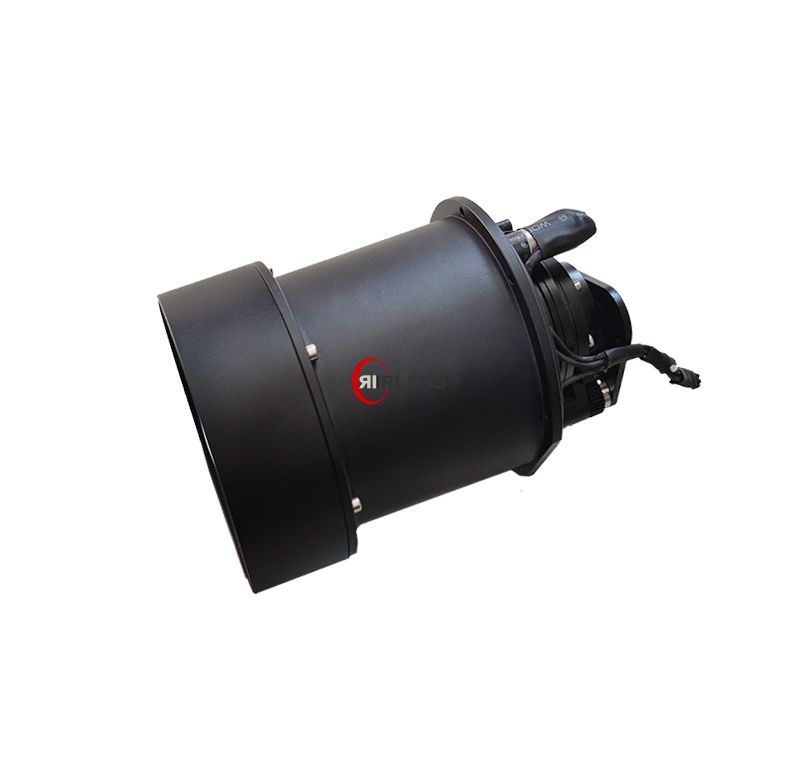
Understanding Motorized LWIR Lenses
What Are Motorized LWIR Lenses?
Motorized LWIR lenses are specialized optical components utilized in cooled thermal imaging cameras that allow for precise adjustments. These modifications can significantly enhance detection capabilities and resolution, making them essential for various applications including surveillance, monitoring, and scientific research.
Key Components of Motorized LWIR Lenses
- Lens Material: Optical-grade materials that minimize distortions.
- Motor Mechanism: Provides electronic control for zoom and focus.
- Interface: Compatible connectors for thermal camera integration.
How Detection Range Is Affected by Motorized LWIR Lenses
Factors Influencing Detection Range
The detection range of a thermal camera with a motorized LWIR lens is influenced by several factors:
- Focal Length: Longer focal lengths enhance range but decrease field of view.
- Aperture Size: A larger aperture allows more infrared light for increased sensitivity.
- Atmospheric Conditions: Weather and environmental factors can limit performance.
Steps to Optimize Detection Range
- Determine the required focal length based on your application.
- Select an aperture that balances sensitivity and depth of field.
- Regularly clean the lens to prevent obstructions.
- Conduct tests in different atmospheric conditions to gauge performance.
Enhancing Resolution with Motorized LWIR Lenses
Importance of Resolution in Thermal Imaging
Resolution is crucial for accurately interpreting thermal images, particularly when identifying subjects at a distance. Higher resolution yields more detailed imagery, which is invaluable for users needing precise data.
Steps to Improve Resolution
- Choose high-quality lenses designed for maximum resolution.
- Utilize digital zoom feature cautiously; over-zooming can degrade image quality.
- Adjust focus electronically for sharp images without manual interference.
- Ensure the camera\'s sensor capabilities match with the lens resolution for optimal results.
Tools Required for Managing Motorized LWIR Lenses
- Thermal Camera: A compatible LWIR camera with motor control.
- Calibration Tools: For aligning lens adjustments.
- Software: For image processing and analysis.
- Cleaning Kit: For maintaining lens clarity and performance.
Common Mistakes to Avoid
- Neglecting Calibration: Always ensure proper alignment to maintain accuracy.
- Using Incompatible Components: Verify compatibility between lenses and cameras.
- Ignoring Environmental Factors: Adjust settings based on current conditions.
- Overlooking Maintenance: Regularly clean and service both the lens and camera.
Conclusion: Leveraging Motorized LWIR Lenses for Optimal Performance
Understanding the functionality and benefits of motorized LWIR lenses is crucial for improving detection range and resolution in thermal imaging applications. By following these guidelines and avoiding common pitfalls, users can maximize their effectiveness in various fields. To explore our range of high-quality optical solutions, visit IRLENS at IRLENS.