Understanding the Importance of Image Uniformity in Thermal Imaging
Defining Image Uniformity
Image uniformity refers to the consistency of thermal images across varying temperatures and backgrounds. This is critical in applications such as surveillance, industrial monitoring, and search and rescue operations.
Common Issues with Non-Motorized Lenses
Non-motorized lenses often display variations in thermal sensitivity and distortion. These issues can lead to poor image quality, impacting the effectiveness of critical operations.
Benefits of Motorized LWIR Lenses
Enhanced Control Over Image Quality
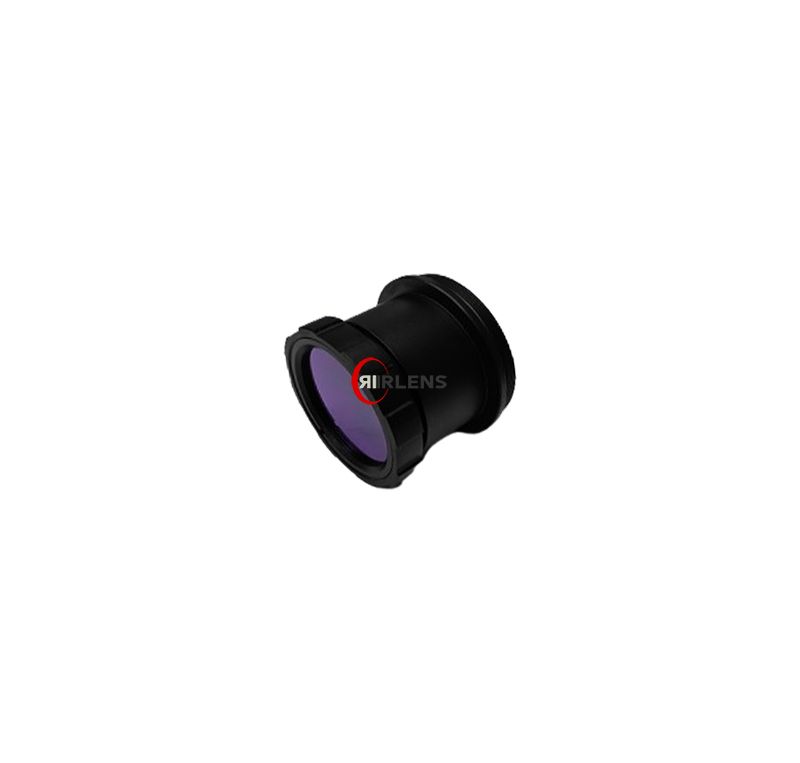
Motorized LWIR lenses provide adjustable focus and zoom capabilities, allowing users to optimize image clarity and detail in any situation.
Real-Time Adjustments for Diverse Environments
With the ability to adjust settings rapidly, motorized lenses can adapt to changing thermal environments, ensuring consistent image quality.
Step-by-Step Guide to Integrating Motorized LWIR Lenses in Thermal Cameras
Required Tools for Integration
- Motorized LWIR lens
- Thermal camera compatible with motorized lenses
- Mounting bracket
- Power source
- Connection cables
- Calibration software
Installation Steps
- First Step: Gather all necessary tools and ensure your thermal camera is secure and powered off.
- Second Step: Remove the existing lens from the thermal camera, using the appropriate mounting tools.
- Third Step: Attach the motorized LWIR lens to the camera body using the mounting bracket.
- Fourth Step: Connect the lens to the power source and the camera via the connection cables. Ensure all connections are tight and secure.
- Fifth Step: Power on the thermal camera and install any required software for calibration.
- Sixth Step: Follow the calibration software instructions to optimize the settings for image uniformity.
Common Mistakes to Avoid
- Neglecting to verify compatibility between the lens and camera.
- Improperly securing connections, leading to power or data loss.
- Skipping the calibration step, which is vital for optimal performance.
Choosing the Right Motorized LWIR Lens
Key Specifications to Consider
- Focal length and field of view
- Temperature range sensitivity
- Response time and frame rates
- Durability and environmental rating
Comparative Analysis of Available Options
Research and compare multiple products based on the specifications above. Consider manufacturers\' reputation, customer reviews, and warranty offerings to make an informed decision.
Conclusion: The Role of IRLENS in Enhancing Thermal Imaging
Motorized LWIR lenses are pivotal in improving image uniformity across thermal cameras, ensuring high-quality imagery essential for effective operations. By choosing quality products like those from IRLENS, you can significantly enhance your thermal imaging capabilities. Visit IRLENS to explore our range of advanced lenses designed for cooled cameras!