Apr. 02, 2026
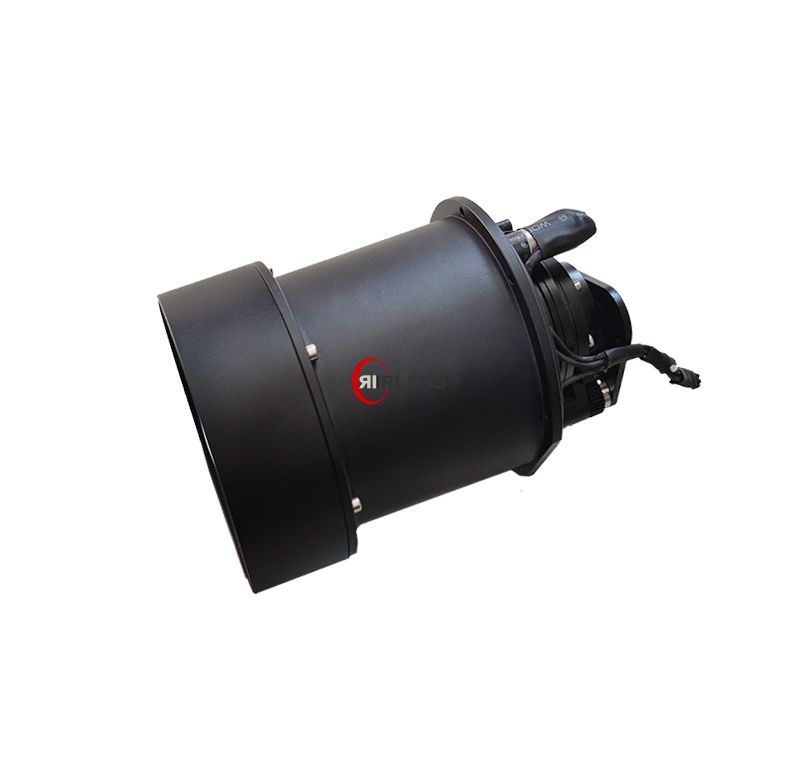
Motorized LWIR lenses for cooled cameras are advanced optical devices that offer adjustable focal lengths and variable field of view. These lenses are controlled electronically, allowing for precise adjustments during operation.
Fixed lenses are optical devices with a set focal length, providing a consistent field of view. They are simpler in design and are often used in applications where variable adjustments are not necessary.
| Feature | Motorized LWIR Lenses | Fixed Lenses |
|---|---|---|
| Adjustability | High | None |
| Cost | Higher | Lower |
| Ease of Use | Requires training | User-friendly |
| Battery Life | Variable | N/A |
| Stability | High | Very High |
The battery life of motorized LWIR lenses can vary significantly based on usage patterns and operational settings, which necessitates planning for extended operations compared to fixed lenses that do not require power.
Fixed lenses generally offer higher stability due to their simpler design, while motorized lenses provide adaptability, which can introduce slight variability in certain conditions.
Motorized LWIR lenses are ideal for applications requiring adaptability and modern integration, such as surveillance and robotics. On the other hand, fixed lenses are best suited for stable environments where constant parameters are maintained, like industrial imaging systems.
In conclusion, choosing between motorized LWIR lenses for cooled cameras and fixed lenses depends largely on the specific needs of the application. Consider the advantages, disadvantages, and your unique operational requirements, and check out IRLENS for various options. For more information, visit IRLENS.
Latest News
Hot-Sale Product