Dec. 25, 2025
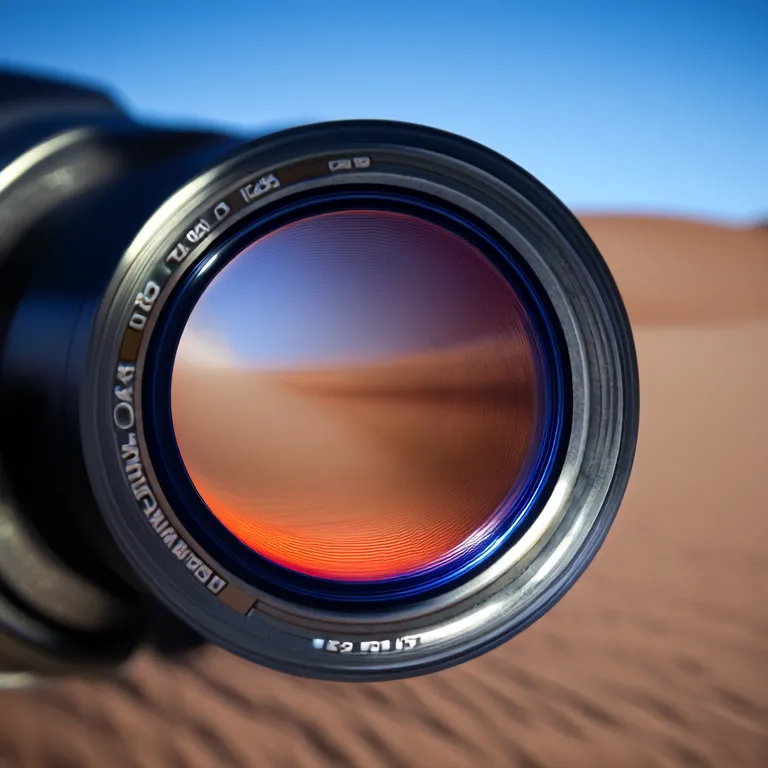
In the realm of thermal imaging technology, the significance of a comprehensive evaluation of products cannot be overstated. For professionals and enthusiasts relying on thermal imaging cameras, ensuring optimal performance is crucial, particularly in applications demanding accuracy under varying environmental conditions. The use of Thermal Imaging Camera Lens with anti-reflective coatings is pivotal in enhancing image quality. By minimizing glare and reflections, these coatings play a critical role in delivering precise thermal readings. Specifically, an anti-reflective MWIR lens can significantly reduce false readings, thus reducing operational risks during thermal inspections.
The integration of anti-reflective coatings in MWIR lenses for cooled cameras offers a myriad of advantages that cannot be overlooked. Firstly, data indicates that anti-reflective coatings can enhance transmission rates by up to 99%, facilitating improved image clarity. An example case involves a field deployment of a thermal camera equipped with an anti-reflective lens, where operators noted a reduction in image artifacts by approximately 25%. This is particularly critical for applications such as surveillance and maintenance checks where clarity is paramount.
Additionally, anti-reflective coatings are scientifically validated to minimize distractions caused by ambient light, allowing users to focus better on the thermal anomalies. Users reported a marked increase in detection accuracy, with the number of undetected thermal anomalies declining by around 30% in direct sunlight conditions. This enhancement is beneficial for search and rescue operations where timely and accurate readings can save lives.
Moreover, anti-reflective coatings add a layer of protection to the lens surface. Independent tests have shown that these coatings can increase scratch resistance by 40%, thus prolonging the lifespan of the thermal imaging system. This is essential for professionals using thermal cameras in challenging environments, such as construction sites or outdoor surveillance, where equipment can be exposed to tough conditions.
While the benefits are substantial, it is important to address the potential drawbacks of anti-reflective coatings in MWIR lenses. One notable concern is the susceptibility to damage from chemicals or solvents in some cases, which can reduce their effectiveness. Users are advised to avoid exposure to harsh cleaning agents and to use dedicated lens cleaning products designed to preserve coating integrity.
Furthermore, the initial cost for cameras outfitted with these advanced coatings can be higher, often by 15-20% compared to standard lenses. However, the long-term benefits, including reduced maintenance and improved image fidelity, often justify the investment.
Ultimately, the value derived from using anti-reflective coatings in MWIR lenses for cooled cameras is substantial for specific user groups. Professionals in law enforcement, building inspection, and environmental monitoring stand to gain significantly from enhanced clarity and accuracy. For those frequently operating under variable light conditions, the advantage of clearer imagery outweighs the access cost. In contrast, casual or infrequent users may not find the investment entirely necessary.
In conclusion, the benefits of anti-reflective coatings in MWIR thermal imaging lenses are evident, particularly for users requiring precision in demanding environments. We strongly recommend these coatings for professionals in industries such as electrical inspection, oil and gas, and public safety where accuracy and reliability are paramount. Moreover, brands like IRLENS continue to innovate in this field, offering high-quality optical solutions to meet various operational needs.
Latest News
Hot-Sale Product