Mar. 23, 2026
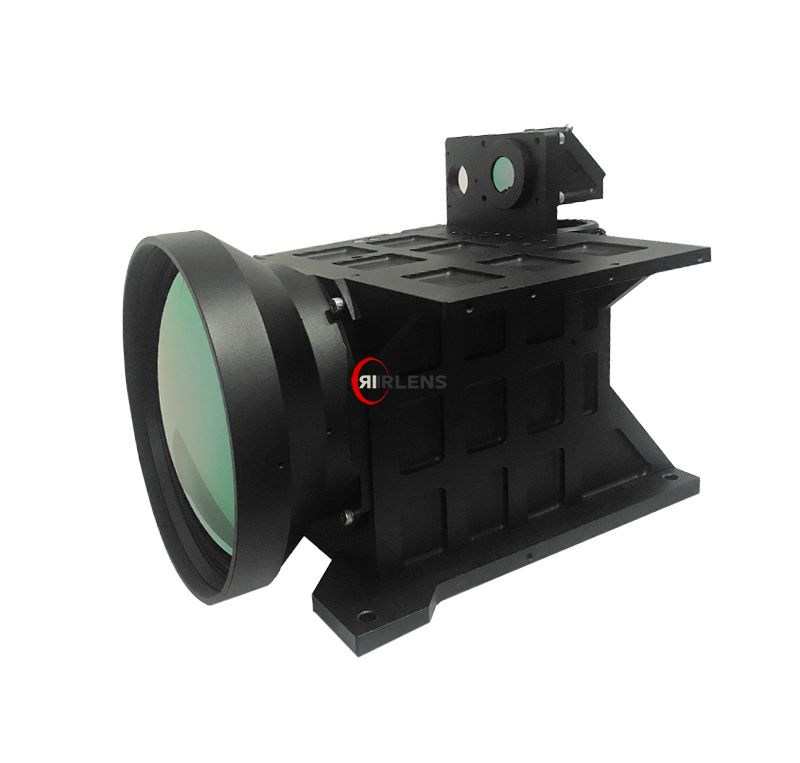
Integrating motorized Long-Wave Infrared (LWIR) lenses into security systems is crucial for enhancing surveillance efficiency and effectiveness. The primary challenge users face is ensuring optimal visibility under varying environmental conditions. By implementing motorized LWIR lenses, users can significantly improve detection capabilities in low-light scenarios and across diverse weather conditions. This article provides practical tips for successful integration, ensuring your security system delivers reliable performance and peace of mind.
Motorized LWIR lenses bring several advantages to modern security systems. Firstly, they adapt to environmental changes by adjusting focus automatically, providing clearer images. According to a report by the Security Industry Association (2022), the use of advanced thermal imaging increases detection rates by 45% compared to traditional cameras in low visibility conditions. Connecting these benefits with user scenarios allows systems to function optimally in diverse environments, especially during nighttime or adverse weather conditions.
Understanding your specific environmental needs is vital when selecting a lens.
Choosing the appropriate lens ensures optimal image clarity, particularly in varying temperatures. Lenses designed for coastal regions might have different specifications compared to those for urban areas.
Tip: Research lens specifications based on user scenarios. For example, fog-resistant lenses are suitable for marine environments while dust-resistant variants are ideal for industrial sites.
By leveraging the automation features of motorized LWIR lenses, users can optimize surveillance coverage.
Automated focus adjustments based on detected environmental changes help maintain image quality without manual intervention, enhancing efficiency.
Tip: Employ scenarios where continuous monitoring occurs, such as large open areas or parking lots, to benefit from this feature.
Seamless integration with current security systems enhances overall functionality.
Ensuring that motorized LWIR lenses can communicate effectively with other components, like alarm systems and control panels, maximizes the system\'s reliability.
Tip: Verify compatibility with existing cameras and software during the planning stage—an important step to prevent operational disruptions.
Calibration is essential for achieving accurate imaging and maximum operational efficiency.
Properly calibrated lenses allow for optimal thermal performance and clear imagery, which is crucial for detecting potential security threats.
Tip: Schedule regular maintenance checks and recalibration between seasons to adapt to environmental changes, such as temperature fluctuations.
Educating personnel on the features and functionalities of motorized LWIR lenses can drastically improve incident response.
Staff trained to use advanced thermal imaging can respond more effectively to security threats, potentially reducing incident response times by up to 30%.
Tip: Implement regular training sessions and include hands-on demonstrations to enhance staff competence in utilizing these systems.
Tracking performance metrics is crucial for evaluating the success of your integration efforts.
By closely monitoring key performance indicators such as detection rates and false alarm counts, users can make informed decisions about system adjustments.
Tip: Use analytics tools integrated with the system to track and assess improvements over time.
Successfully integrating motorized LWIR lenses into your security system requires careful planning and consideration of the environment, user training, and ongoing maintenance. By implementing these practical tips, users can enhance surveillance efficiency, improve detection rates, and ultimately provide a safer environment. The right choices tailored to specific scenarios can result in remarkable enhancements in security operations. With brands such as IRLENS, you can rest assured that you have state-of-the-art technology at your disposal.
What are motorized LWIR lenses?
Motorized LWIR lenses are advanced thermal imaging lenses that automatically adjust focal length to maintain image quality.
How do motorized LWIR lenses enhance security?
They improve visibility under a variety of environmental conditions, allowing for better detection and monitoring.
What maintenance do motorized LWIR lenses require?
Regular calibration and checks for functionality are recommended to ensure optimal performance, particularly during seasonal changes.
Latest News
Hot-Sale Product