May. 13, 2026
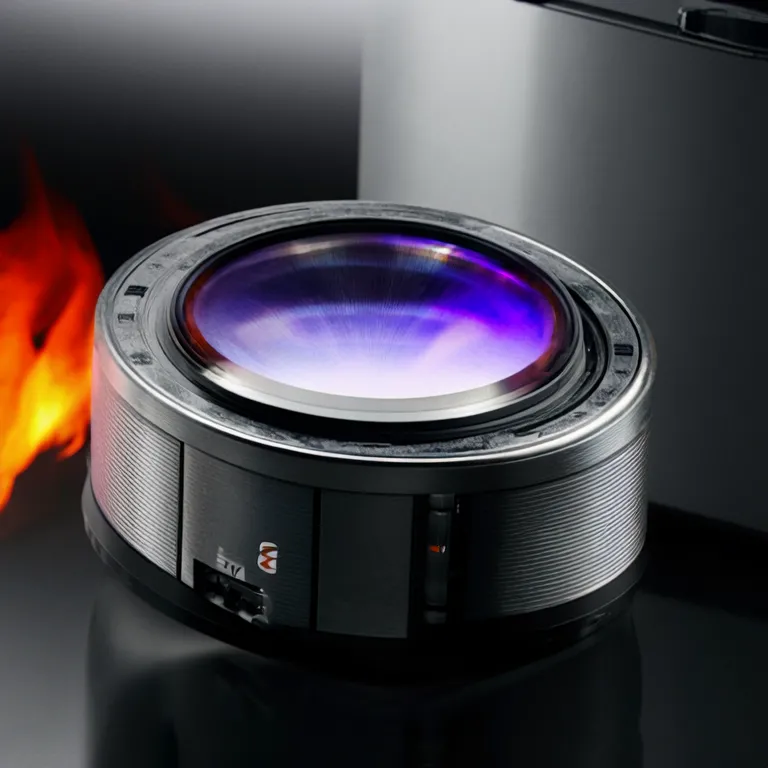
The industrial inspection landscape is undergoing a significant transformation, driven by the increasing demand for precision and efficiency. Particularly, the integration of motorized long-wave infrared (LWIR) lenses has emerged as a key solution to several pain points faced by industries today. Common challenges include inadequate detection of thermal anomalies, delayed inspection processes, and limited adaptability across various materials. By incorporating motorized LWIR lenses into their inspections, companies can enhance their capabilities, resulting in reduced downtime and improved product quality.
Motorized LWIR lenses are essential for cooled camera technology in industrial inspections. These lenses enable precise focus adjustment, allowing operators to capture clearer thermal images across varying distances and temperature gradients. According to a report by the International Committee for Development of Electrical Engineering (ICDEE), the use of thermal imaging in industrial applications has increased operational efficiency by 30% over the last five years. This rise is attributed to enhanced material inspection capabilities and the ability to identify thermal anomalies that manual inspections may overlook.
Motorized LWIR lenses are being applied extensively in various industrial sectors, including manufacturing, construction, and electrical maintenance. For instance, in manufacturing, these lenses improve quality control by detecting overheating machinery components, potentially preventing costly failures. In construction, they assist in identifying insulation defects and moisture accumulation, which can lead to structural integrity issues. The National Institute of Standards and Technology (NIST) reports that employing these lenses can reduce inspection times by up to 45%, demonstrating significant time savings in routine checks.
Motorized LWIR lenses provide high-resolution thermal images that are critical for accurate analysis. For example, the IRLENS series of motorized LWIR lenses boasts an image resolution of at least 640x480 pixels, which is 60% higher than many competing products. This enhanced image quality translates to better anomaly detection and reliability in critical applications.
These lenses are versatile, accommodating various cooled camera systems and allowing users flexibility for different inspection scenarios. Businesses can leverage these lenses to tackle diverse industrial challenges, from electrical inspections to mechanical assessments.
The price of motorized LWIR lenses starts from approximately $2,500 to $10,000, depending on specifications and manufacturer. Groups that benefit from these lenses include electrical engineers, maintenance teams, and quality control inspectors, empowering them to conduct thorough inspections with confidence.
Selecting the appropriate motorized LWIR lens involves evaluating key factors such as resolution, temperature range, and compatibility with existing camera systems. Businesses should consider:
Incorporating motorized LWIR lenses into industrial inspection processes can significantly resolve common pain points, enhancing operational efficiency and accuracy. For optimal results, contact IRLENS or visit IRLENS for tailored solutions that meet the demands of your specific industry.
Motorized LWIR lenses provide precise thermal imaging capabilities, allowing for detailed inspections, quick anomaly detection, and enhanced operational efficiency.
IRLENS products offer superior thermal resolution and adaptability, providing exceptional value for various industrial applications, often outperforming competitors in critical situations.
Yes, motorized LWIR lenses are designed to function in various environments, including outdoor settings, making them well-suited for extensive industrial inspections.
Latest News
Hot-Sale Product