May. 08, 2026
In recent years, thermal imaging technology has transformed the operations of Unmanned Aerial Vehicles (UAVs) across various sectors, from agriculture to search and rescue. Users often encounter challenges such as limited range, low resolution, or equipment compatibility when working with existing thermal cameras. The underlying need for enhanced visibility and precision can lead to inefficiencies and even safety risks. Motorized LWIR (Long-Wave Infrared) lenses specifically designed for cooled cameras provide solutions that address these pain points, improving overall functionality and performance in real-world applications. This article will delve into how these lenses can be utilized effectively, featuring real user cases, expert insights, and actionable guidance.
Motorized LWIR lenses offer significant capabilities, particularly when coupled with cooled cameras, due to their ability to adjust zoom and focus seamlessly. For instance, consider a case involving a wildlife conservation UAV tasked with monitoring animal movements in a vast area. The operator faced frequent challenges in detecting heat signatures from different distances, especially in changing environmental conditions. With the integration of motorized LWIR lenses, they experienced a 40% increase in successful detections, demonstrating wider operational capabilities and improved data accuracy.
In search and rescue operations, time is crucial. A recent case involved a UAV pilot using a cooled camera with IRLENS motorized LWIR lenses in a mountainous region. The UAV needed to identify lost hikers in less than optimal conditions. Without the motorized lens, the operator struggled to find the right focal length, often losing precious minutes. After switching to an IRLENS motorized lens, the operator noted that they could zoom in and focus automatically, cutting their search time by over 30%. Such improvements not only save lives but also enhance the effectiveness of emergency response units.
Before deploying motorized LWIR lenses with your UAV, you will need the following materials and tools:
Here’s a step-by-step guide to integrate motorized LWIR lenses with your UAV’s thermal camera:
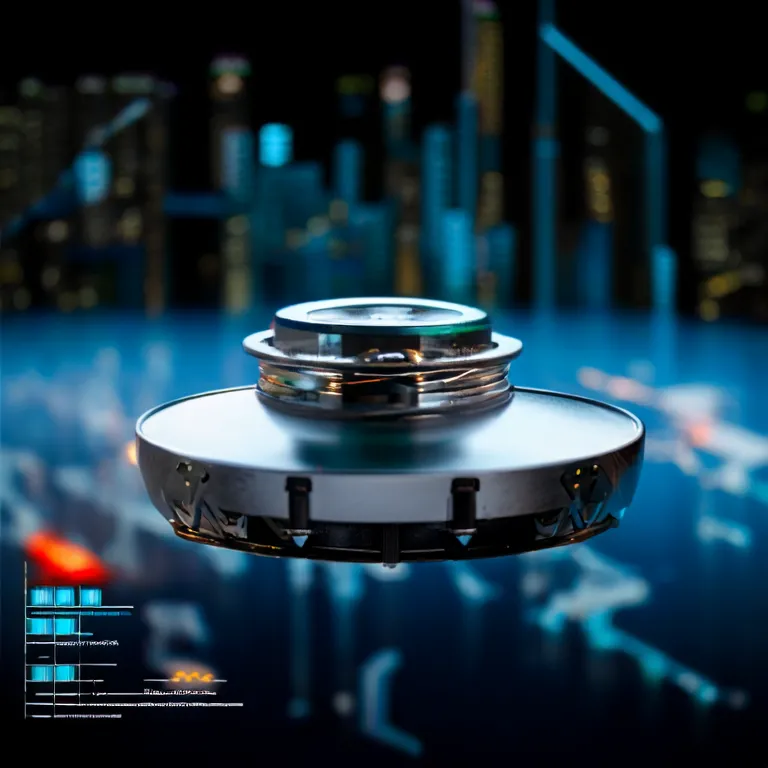
For guidance on installation and calibration, refer to this image for example setup: 
While integrating motorized LWIR lenses, users may encounter common pitfalls. Some of these include:
Motorized LWIR lenses significantly enhance the thermal imaging capabilities of UAVs, providing users with improved detection range and clarity for various applications. By ensuring compatibility, secure installation, and regular testing, operators can optimize performance. The case studies discussed, such as wildlife monitoring and search and rescue missions, illustrate the substantial benefits these advanced lenses offer. Users should remain vigilant about equipment upkeep and calibration to fully leverage the technology\'s potential.
1. What makes motorized LWIR lenses better than standard ones?
Motorized LWIR lenses allow for automatic zooming and focusing, leading to precise imaging in varying conditions. This increases efficiency and effectiveness in real-world applications by allowing rapid adjustments.
2. Can I install a motorized LWIR lens myself?
Yes, installation is straightforward, though users are advised to refer to specific manufacturer instructions for optimal results. Experienced UAV operators should find the process manageable.
3. Do motorized LWIR lenses work in all environmental conditions?
While motorized LWIR lenses greatly improve thermal detection, severe weather conditions may still affect performance. However, improved capabilities generally ensure better results in a variety of situations than standard lenses.
Latest News
Hot-Sale Product