Jun. 23, 2026
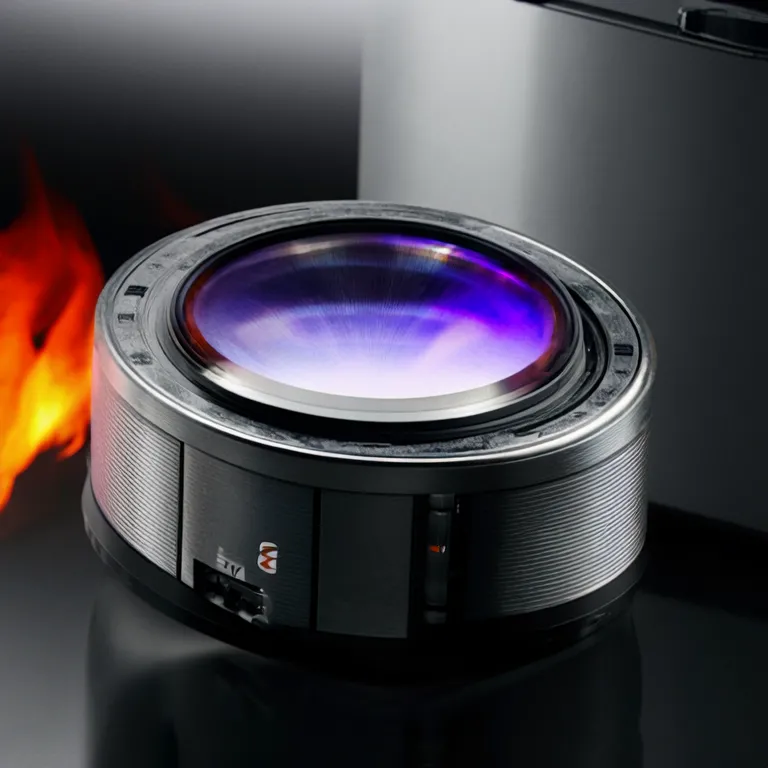
When it comes to enhancing thermal imaging capabilities, selecting the right MWIR Lens for Cooled Cameras becomes crucial for professionals in various fields such as industrial inspection, medical diagnostics, and surveillance. Many users struggle with poor image quality and sensor efficiency when utilizing thermal imaging camera lenses. The ideal optics offer clarity and precision, effectively solving problems related to temperature mapping and material identification. In this article, we will delve into the key specifications that influence the performance of midwave infrared optics and how these features can transcend typical limitations, leading to enhanced imaging outcomes.
To appreciate the significance of MWIR optics, it is essential to comprehend the related terminology and principles. Midwave infrared (MWIR) typically refers to the wavelength range of 3 to 5 micrometers, where many materials exhibit profound thermal emission characteristics. This section will cover foundational terminologies such as:
Thermal Sensitivity: The responsiveness of a thermal sensor to infrared radiation, often measured in milliKelvin (mK) increments.
Radiometric Calibration: A process that ensures accurate temperature measurement through the calibration of thermal imaging devices.
Lens Transmittance: A crucial metric that quantifies how much incident light is transmitted through the lens material, represented as a percentage.
Understanding these principles provides a solid background for selecting high-performance optics that meet the demands of various applications.
The process of selecting an appropriate MWIR lens involves several key steps, tools, and relevant case studies:
Step 1: Determine Required Wavelength Range
Selecting a lens optimized for the specific MWIR wavelength range enhances sensitivity and calibration. For instance, lenses targeting 3-5 micrometers maximize thermal contrast and detail.
Step 2: Assess Lens Material
Materials like germanium or silicon are commonly utilized for MWIR optics due to their low absorption rates. Quantitative assessments show that lenses made from high-quality germanium can achieve over 85% transmittance.
Step 3: Evaluate F-number
A lens\'s F-number dictates its aperture size, impacting depth of field and light gathering capabilities. A higher F-number, such as F/2.8, can offer superior image resolution, increasing the resulting image\'s sharpness and definition.
Step 4: Consider the Field of View (FOV)
FOV dictates how much of the scene is captured. A typical MWIR lens with a 45-degree FOV facilitates a wider area coverage, improving situational awareness in surveillance endeavors.
Step 5: Review Thermal Sensitivity Specifications
Optics with a thermal sensitivity below 30 mK are ideal for applications requiring precise temperature measurements over small temperature ranges.
Step 6: Analyze Calibration Procedures
Use tools often utilized in the industry, such as blackbody sources for applying radiometric calibration, ensuring your lens meets strict accuracy standards.
Step 7: Investigate Customer Case Studies
Reviewing past implementations, like those by companies utilizing IRLENS optics, can provide valuable insights into performance and application outcomes.
Q1: What’s the typical lifespan of MWIR lenses?
A1: High-quality MWIR lenses, when maintained properly, typically provide a lifespan of over 10 years, even under harsh operating conditions.
Q2: Can MWIR optics be upgraded?
A2: Yes, upgrading to advanced IR optics can lead to enhanced thermal sensitivity and resolution, often improving the overall effectiveness of existing thermal camera systems.
Professionals looking to deepen their expertise in MWIR optics should consider further reading on the latest advancements in infrared materials science and the impact of new adjustable optics available from IRLENS. Additionally, mastering the calibration process will yield significant improvements in measurement accuracy.
For those aspiring to achieve high-quality thermal imaging, investing in superior MWIR optics, such as those offered by IRLENS, can prove invaluable. Their lenses are engineered to address the challenges highlighted in this article, providing optimized performance while ensuring effective troubleshooting across various applications. To explore their range of products more thoroughly or for personalized recommendations, don’t hesitate to contact IRLENS.

Latest News
Hot-Sale Product