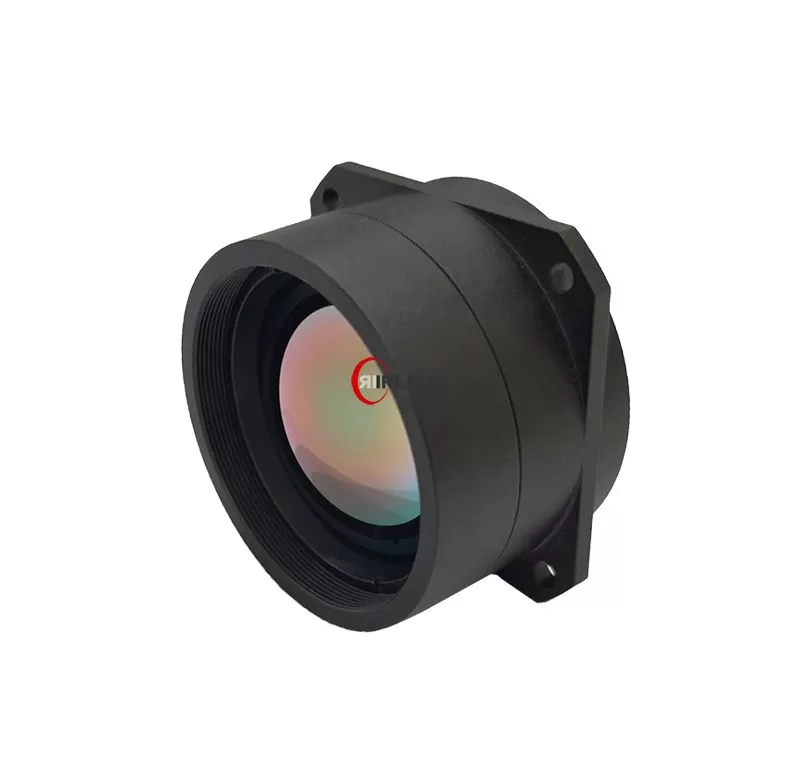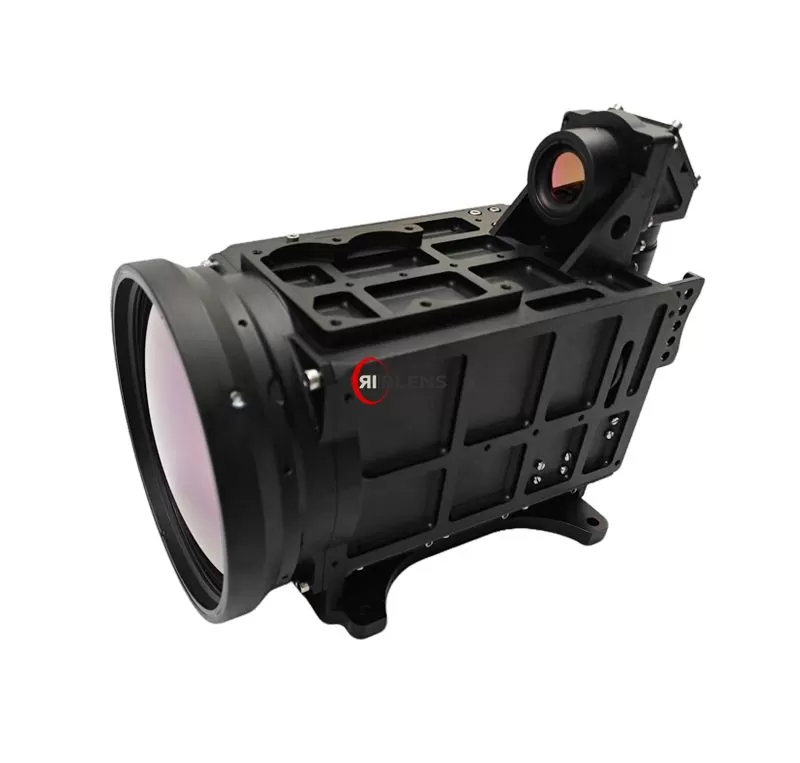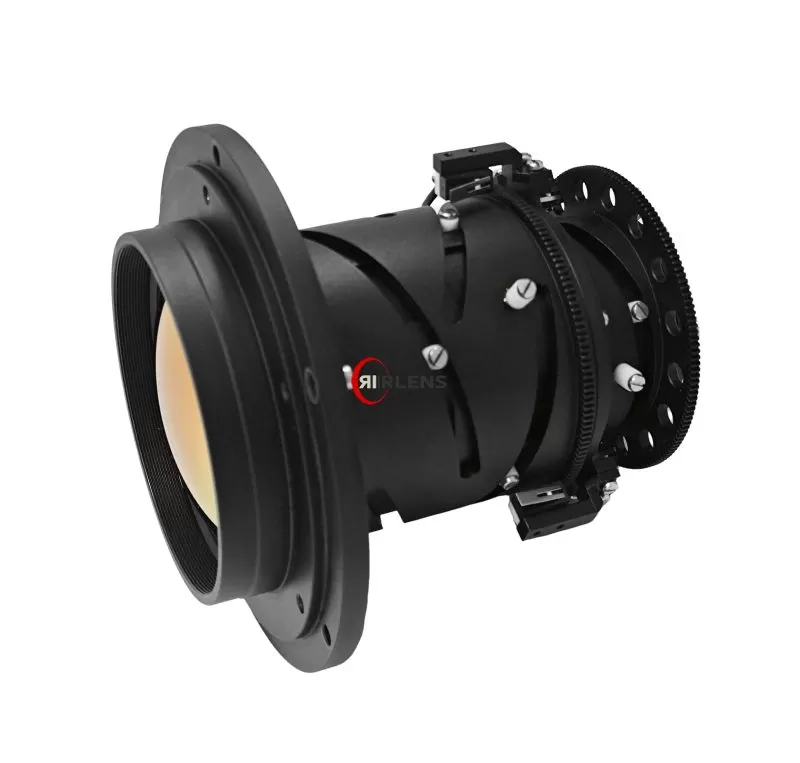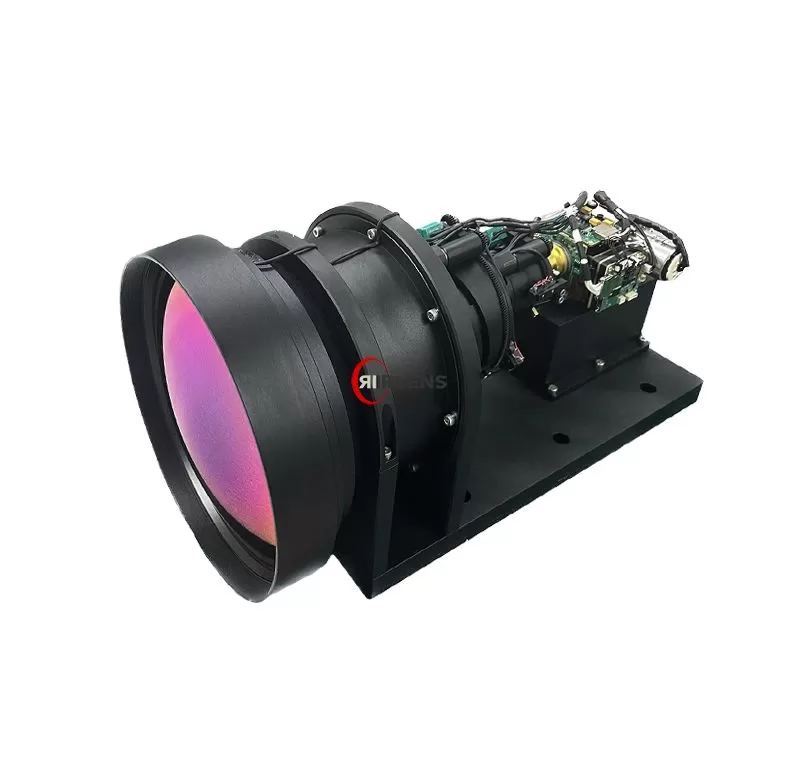
Motorized
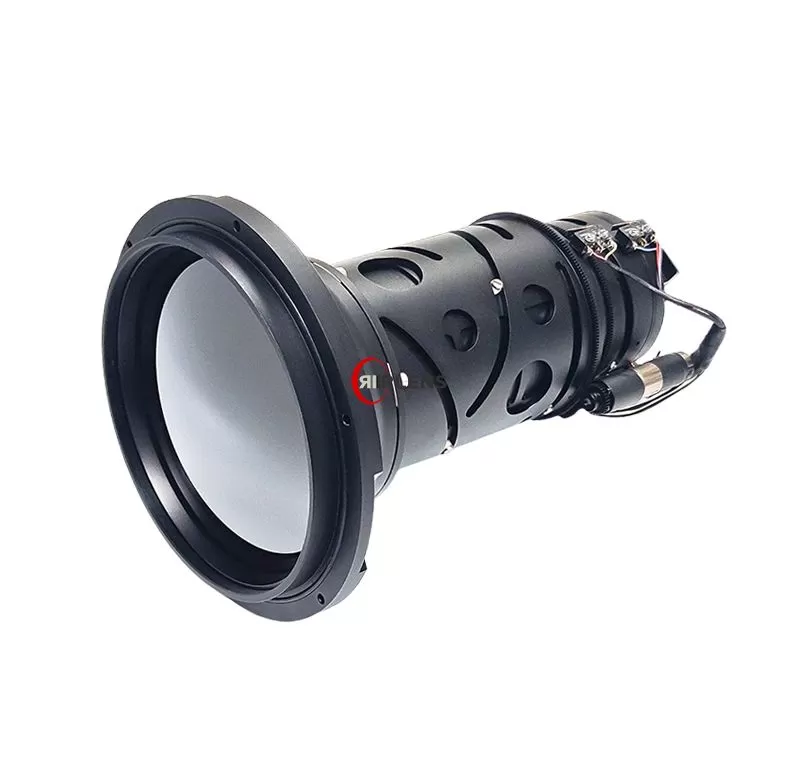
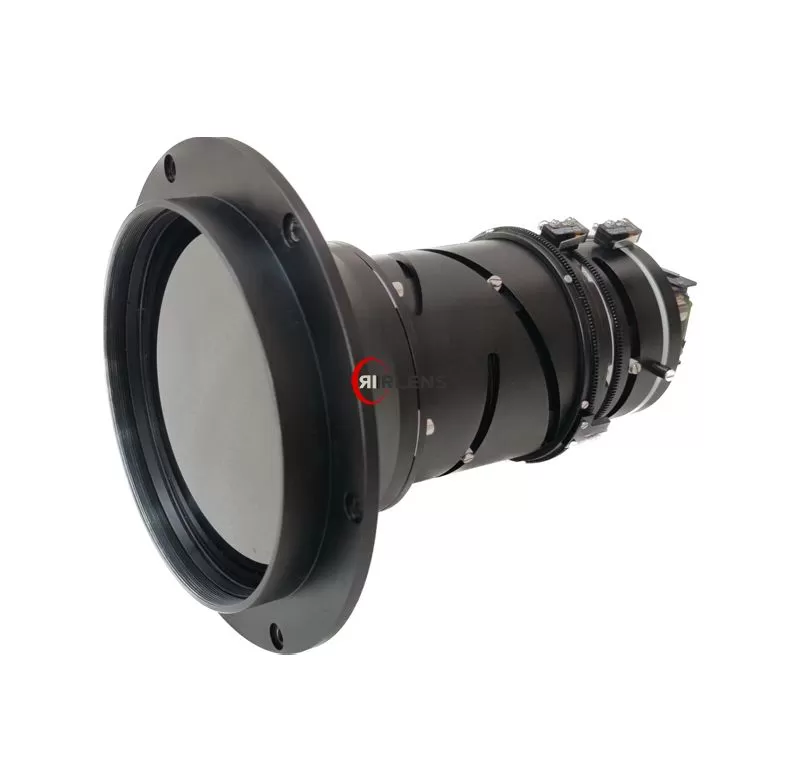
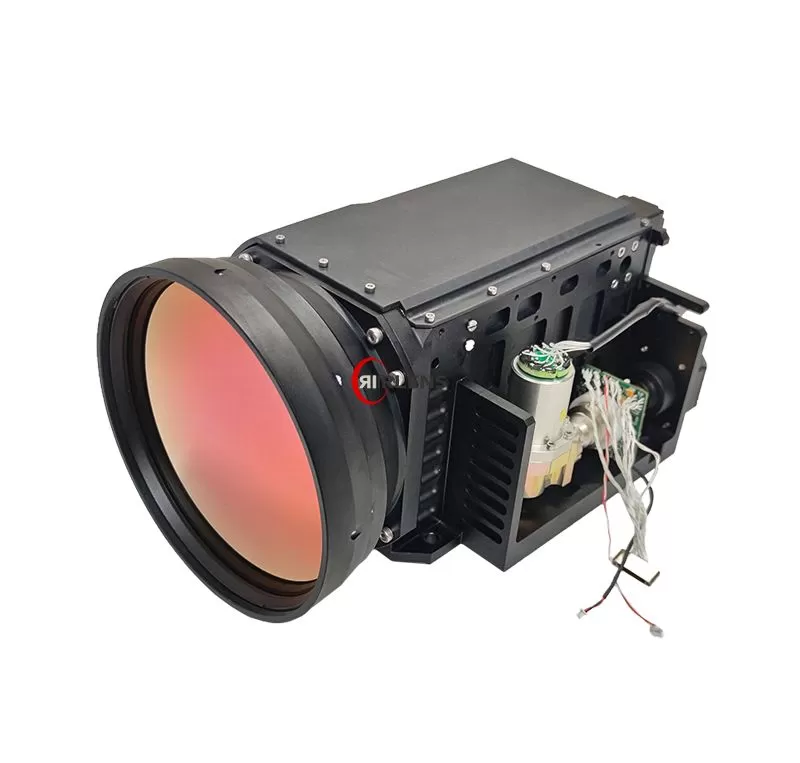
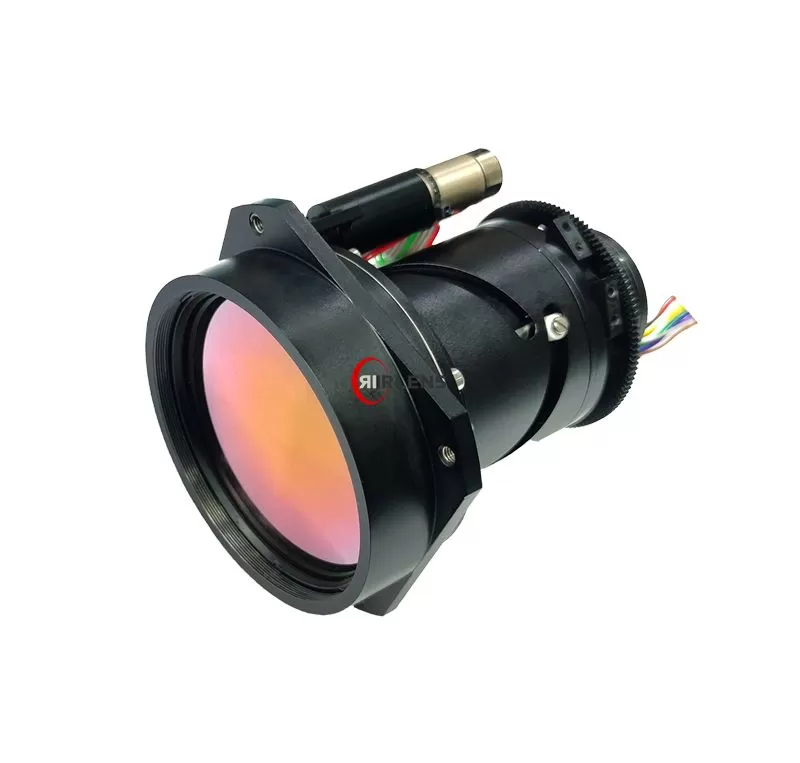
A motorized LWIR lens for cooled camera is designed for demanding thermal imaging applications where precision control, long-range detection, and system integration are critical. By combining long-wave infrared optics (8–14μm) with motorized focus and zoom capabilities, these LWIR Lens for Cooled Camera enables accurate target acquisition, automated operation, and seamless integration into advanced electro-optical systems.
Compared to manual lenses, motorized LWIR lenses provide clear advantages in professional and mission-critical environments:
Remote Focus & Zoom Control
Enables real-time adjustment without physical intervention, ideal for UAVs, surveillance towers, and hazardous environments.
Higher Imaging Precision
Optimized for cooled detectors, delivering superior sensitivity and image clarity in long-range and low-contrast conditions.
Automation & System Integration
Supports integration with control systems, AI tracking, and automated inspection platforms.
Improved Operational Efficiency
Reduces manual workload and enhances response speed in dynamic scenarios.
When selecting a motorized LWIR lens, professional buyers typically evaluate the following parameters:
LWIR: 8–14μm
Ensures compatibility with long-wave thermal imaging systems used in surveillance and industrial diagnostics.
Resolution: 640×512 / 1280×1024
Pixel Pitch: 12μm / 17μm
Matching the lens to detector specifications is essential for optimal image quality and system performance.
Medium range: 50mm / 100mm
Long range: 160mm and above
Different focal lengths determine detection distance and field of view, making this a critical selection factor.
Typical: F1.0 – F2.0
Lower F-number improves infrared energy capture, enhancing performance in low-temperature contrast environments.
Motorized focus
Motorized zoom (for zoom models)
Optional auto-focus integration
These features enable dynamic imaging and remote operation.
Operating temperature range
Shock and vibration resistance
Sealing and durability for outdoor deployment
Motorized LWIR lenses for cooled cameras are widely used across industries requiring high-precision thermal imaging:
Border monitoring
Coastal surveillance
Critical infrastructure protection
Drone payload imaging
Aerial reconnaissance
Target tracking
Predictive maintenance
Electrical inspection
Process monitoring
Target acquisition
Fire control systems
Night vision enhancement
To avoid mismatch and ensure optimal performance, buyers should follow a structured selection approach:
Determine whether your application requires medium-range or long-range observation.
Ensure compatibility with:
Resolution
Pixel pitch
Sensor size
Focus only
Focus + zoom
Fully automated system integration
Consider:
Control interface (RS232, RS485, etc.)
Power supply
Mechanical mounting
Standard lenses may not fit all systems. Custom solutions are often required for:
Special focal length ranges
Compact system design
Harsh environment applications
For system integrators and OEM buyers, customization is often a key requirement. Typical customization options include:
Custom focal length design
Optical performance optimization
Mechanical structure adaptation
Control protocol integration
Branding and private labeling
When sourcing a motorized LWIR lens, evaluating the supplier’s capabilities is critical:
Infrared optical design expertise
Precision manufacturing and alignment
Coating technology for LWIR optics
Testing and calibration systems
Experience with cooled camera integration
Choosing an experienced manufacturer ensures:
Stable product performance
Reliable delivery for bulk orders
Engineering support during integration
Long-term supply consistency
Beijing IRLENS Optoelectronic co., Ltd specializes in infrared optical systems and provides high-performance motorized LWIR lenses tailored for cooled camera applications, supporting both standard products and custom-engineered solutions.
Selecting the right motorized LWIR lens is not just about specifications—it’s about ensuring compatibility, reliability, and long-term performance in your system.
If you are working on a thermal imaging project and need expert support in selecting or customizing a motorized LWIR lens, working with a specialized manufacturer can significantly reduce development time and improve system outcomes.
View More
Classification
Contact Us
We have a professional after-sales team, always focuses on customer needs, and provides a full range of efficient services. It is easy to solve the problem for manufacturing company.
Contact Us Now!Application Scenario
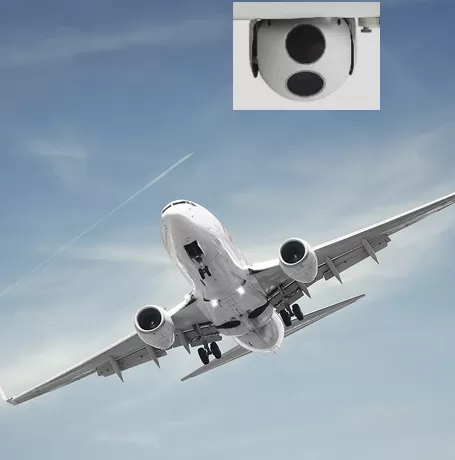
In the aerospace field, infrared lenses play an indispensable role. Airborne night vision is one of its important applications. In addition, in satellite remote sensing, infrared lenses can penetrate clouds and obtain information such as surface temperature and vegetation cover, contributing to agricultural monitoring, geological exploration, and more. It also can detect the infrared radiation of celestial bodies like asteroids and comets.
View More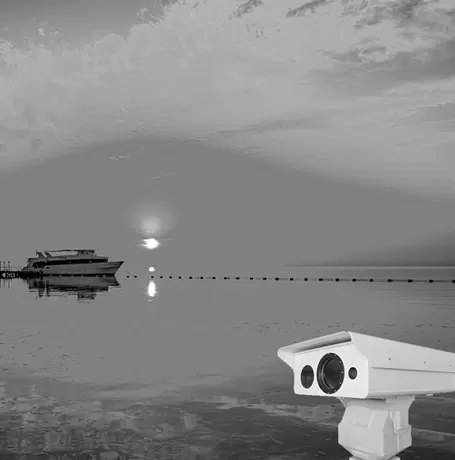
Infrared lens can operate in low-light or even complete darkness, using the infrared radiation emitted by objects for imaging. Moreover, they are not affected by severe weather such as heavy rain and thick fog, and can penetrate these obstacles to capture targets, ensuring the stability of monitoring, greatly enhancing the reliability and comprehensiveness of security monitoring.
View More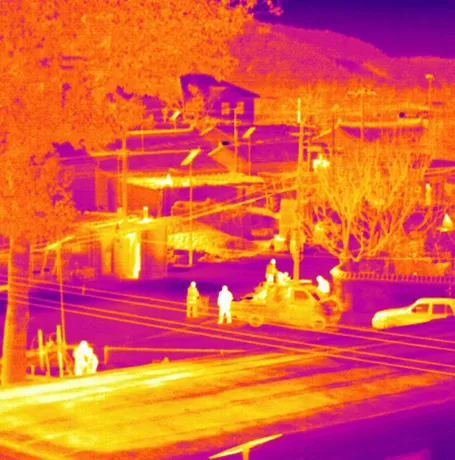
Since different materials and components in industrial settings have distinct infrared emission characteristics, these lenses enable the detection of thermal anomalies. In the manufacturing of mechanical parts, infrared lenses can detect areas with abnormal heat distribution during the production process, helping to ensure product quality and prevent defects.
View More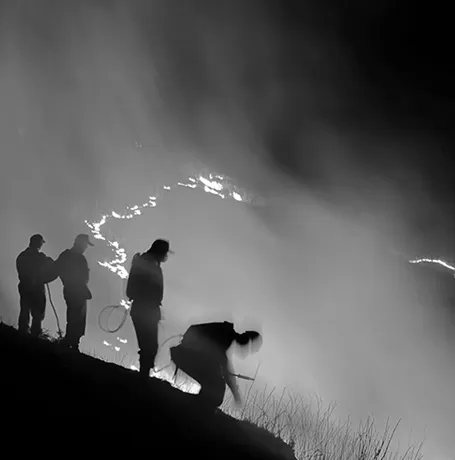
At the fire scene, infrared lenses can penetrate smoke and flames and clearly display the location of trapped persons, the direction of fire spread, and the ignition point. This helps firefighters quickly formulate rescue plans, improve search and rescue efficiency, and reduce casualties and property losses. In addition, it can also be used for fire hazard investigation to discover potential fire risks such as overheating of electrical equipment and accumulation of flammable materials in advance.
View More
Infrared lenses are the key components in gas detection instruments, enabling the precise identification and quantification of various industrial gases. Many industrial gases have unique absorption characteristics in the infrared spectrum.
View More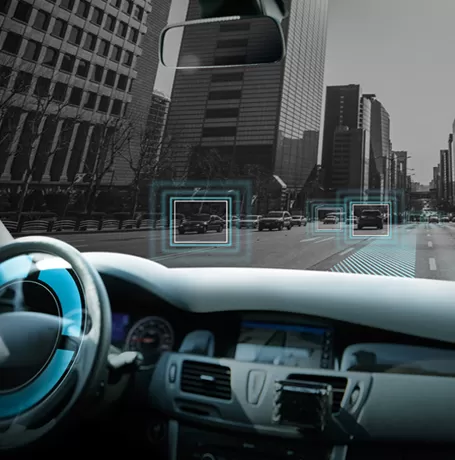
These lenses are designed to capture infrared radiation, which is invisible to the human eye but emitted by objects based on their heat signatures. They focus this infrared light onto an image sensor, converting it into a visible image that can be displayed on a monitor inside the vehicle. This enables drivers to perceive potential obstacles on the road much earlier than with normal vision, providing them with more reaction time and significantly enhancing driving safety in low-light conditions.
View MoreHot-Sale Product